
十二月 08, 2020
Battery manufacturing processes can generate dust and fumes during material handling, mixing, charging, grinding, cutting and other production operations. The type and characteristics of contaminants vary according to the battery type, raw materials and manufacturing process. Therefore, battery manufacturing dust collection equipment should be selected according to the actual application and operating conditions.
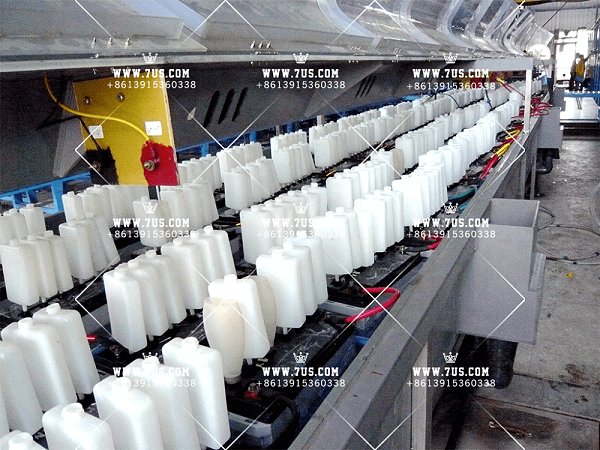
Different battery manufacturing processes can generate different dusts, fumes and material residues. Lead-acid battery production and lithium battery production involve different materials, particle characteristics and operating conditions. The appropriate battery manufacturing dust collection equipment should therefore be selected according to the specific process, dust characteristics, required airflow and operating conditions.
Important application information includes the collection point, dust source, material characteristics, operating temperature, moisture content and whether the process is continuous or intermittent. This information helps determine the suitable collector type, filtration area and equipment configuration.
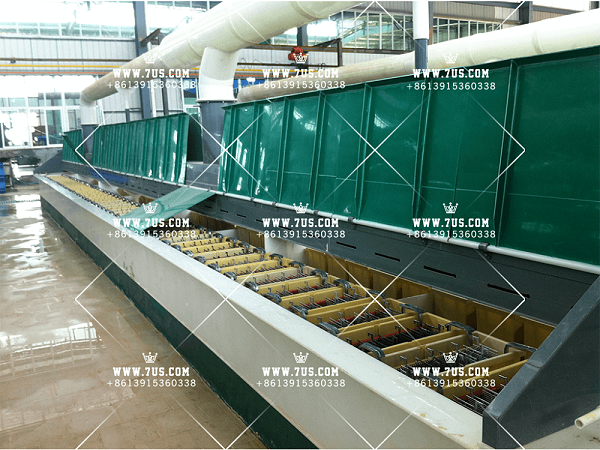
Particle size, dust concentration, temperature, humidity and chemical properties should be considered when selecting filter media and industrial dust collection equipment. Depending on the application, cartridge dust collectors, baghouse dust collectors, wet dust collectors or other filtration equipment may be considered.
A correctly selected filter media and cleaning system can help maintain stable airflow, reduce operating resistance and support efficient dust collection. The filtration solution should be matched to the actual process rather than selected by equipment type alone.
Battery manufacturing equipment may operate continuously for long periods. Dust collectors should therefore be designed for stable operation and convenient inspection and maintenance. Filter condition, differential pressure, cleaning system operation, hopper discharge and air leakage should be checked regularly.
Promptly correcting abnormal pressure drop, reduced airflow or damaged filter elements can help maintain consistent dust collection performance and extend the service life of the equipment.
Some battery manufacturing processes may involve corrosive, combustible or otherwise hazardous dusts and fumes. Equipment materials, electrical components and any required fire or explosion protection measures should be selected according to the actual process conditions, applicable local regulations and project requirements.
7US supplies industrial dust collection equipment for battery manufacturing applications. Contact us with your process information, airflow requirement and dust type for equipment selection.
 Products
 Industries
 OEM/ODM
 News
News About us
 Contact