Wet Dust Collection for Automotive Aluminum Wheel Polishing
-
-
1.1 Automotive wheels are commonly manufactured from aluminum alloys and may require grinding, polishing or buffing to obtain the specified surface finish.
1.2 These processes can generate fine combustible metal dust. Dust characteristics must be evaluated before equipment selection, including particle size, alloy composition, ignition sensitivity and any applicable combustible-dust requirements.
1.3 A properly engineered wet dust collection system can reduce airborne metal dust and keep collected material in a water phase. Equipment selection must form part of the complete project-specific fire and explosion risk assessment.
1.4 Dry collectors may require additional combustible-dust protection measures. The appropriate collection method must be determined by the project designer and local authority according to the actual process and applicable regulations.
-
-
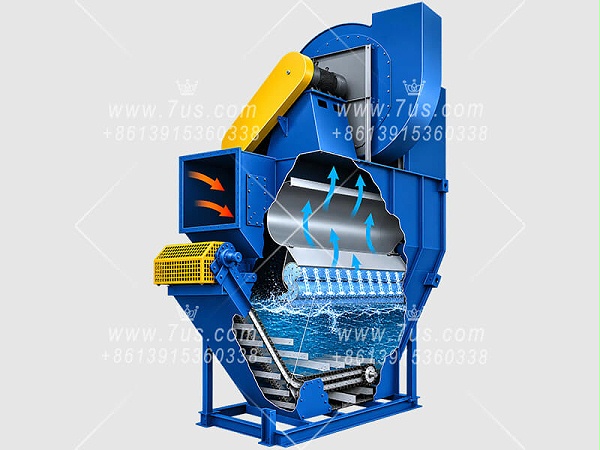
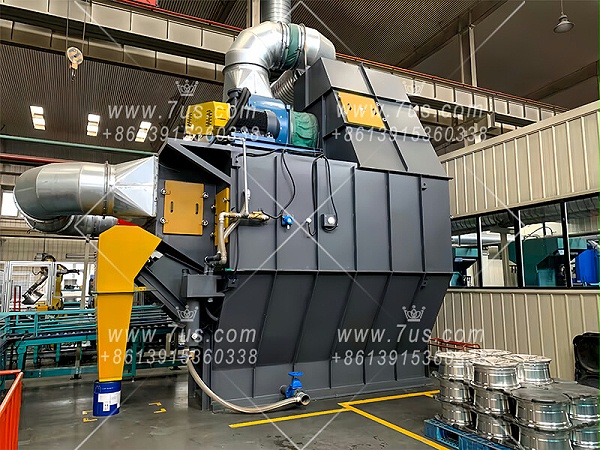
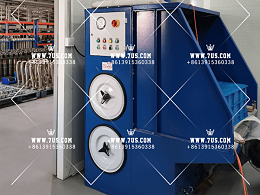
1.5 The EHWD wet dust collector uses an internal water bath and does not require filter cartridges or filter bags. Its self-induced wet scrubbing process does not rely on spray nozzles for primary dust capture.
1.6 Some reactive metal dusts may generate hydrogen when in contact with water. The complete system must include suitable ventilation, hydrogen release provisions, safe discharge arrangements and operating controls based on a qualified hazard assessment.
1.7 Fan pressure draws the contaminated air through the internal airflow and water-contact section. Turbulent gas-liquid contact helps capture dust before the air leaves the collector.
1.8 Equipment dimensions and connection arrangements can be adapted according to confirmed airflow, site space and customer drawings. Installation, ductwork and safety-system design remain subject to project-specific engineering and local requirements.
Application Cases
-
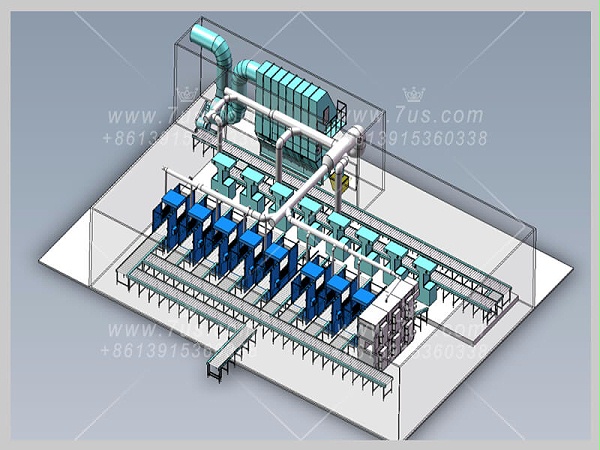
Automotive Aluminum Wheel Polishing
-
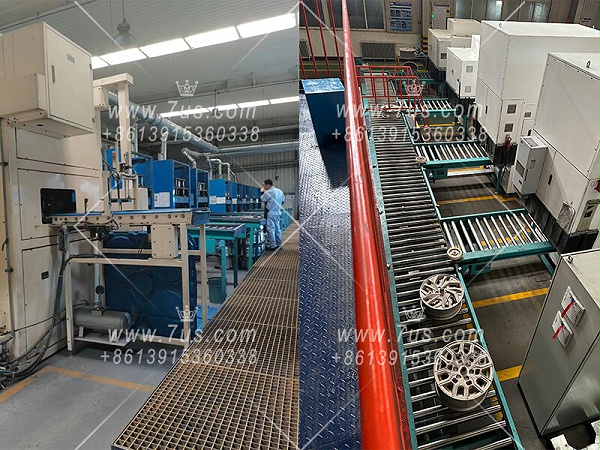
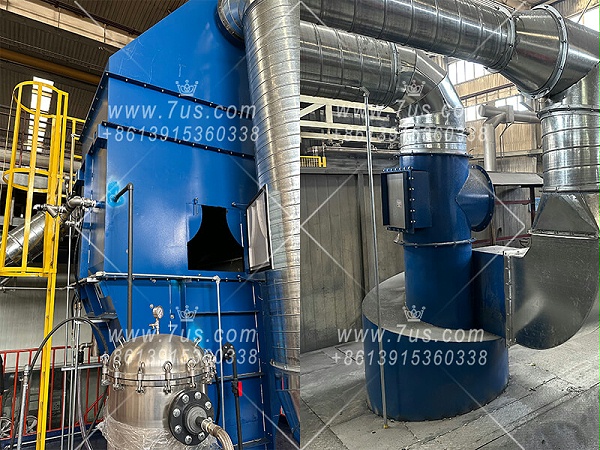
Wet Dust Collection for Wheel Polishing
-
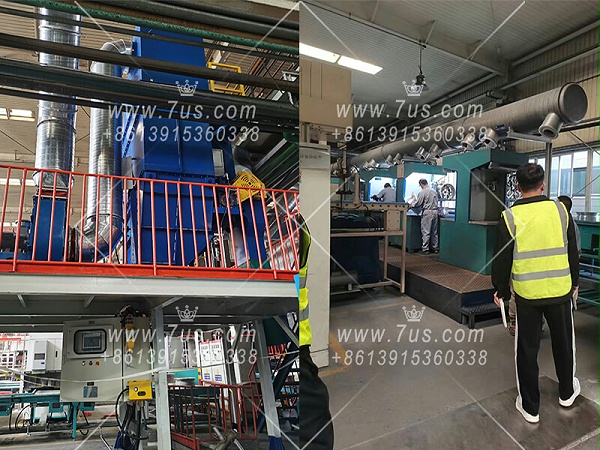
Aluminum Wheel Finishing Dust Collection
-
Automotive Wheel Polishing Production Line

 Products
 Industries
 OEM/ODM
 News
News About us
 Contact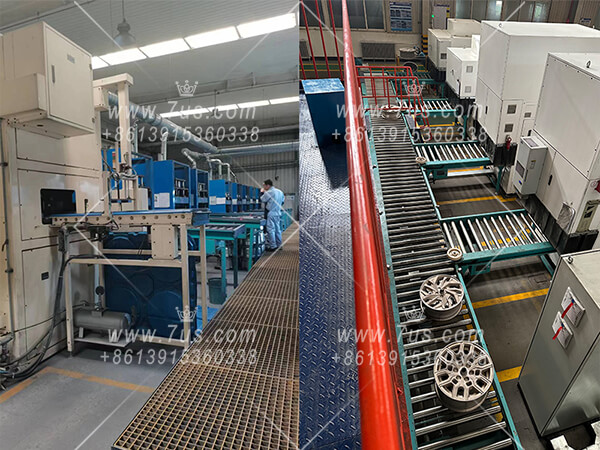
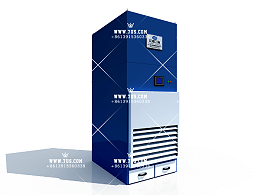 Dust removal workstation
  Industrial Downdraft Table